How Can Older People Stay Healthy? A Practical Guide
By CareFinder Research Team · Published 2025-10-27 · Last reviewed 2026-09-18
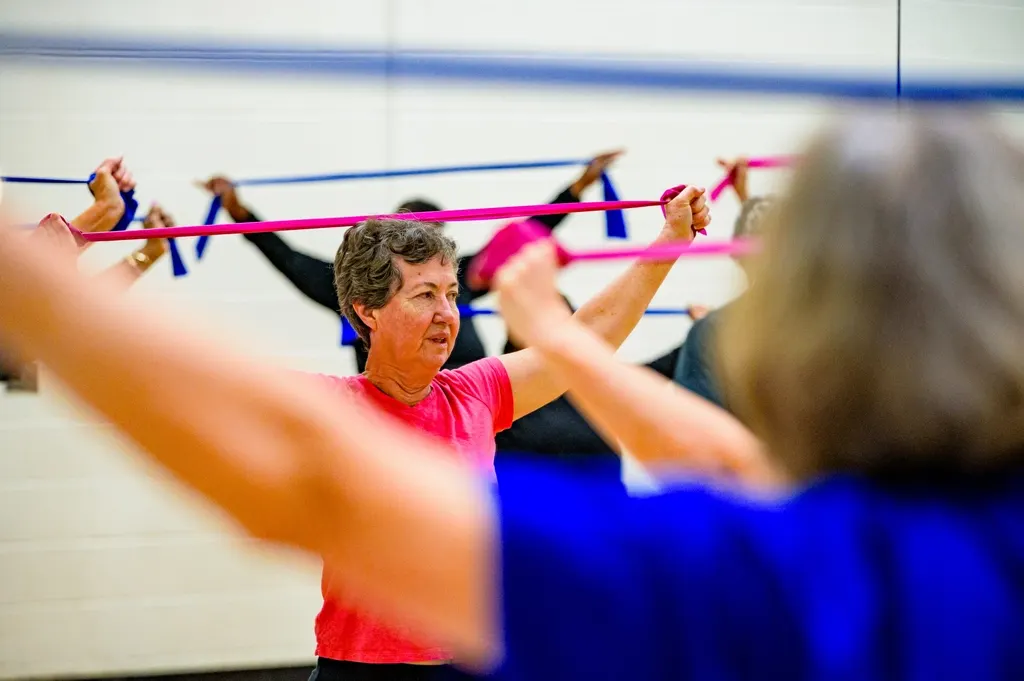
Older people stay healthiest by keeping active every day with strength and balance exercises, eating and drinking well, keeping up with free NHS vaccines and eye tests, having medicines reviewed, reducing falls risks at home and staying connected with other people. Families can help by knowing which checks and services are available and spotting early changes.
Older people stay healthiest by combining a few things that the NHS recommends for everyone over 65: keep moving every day, including strength and balance exercises, eat and drink enough, take up free vaccines and checks, get medicines reviewed and stay in touch with other people. None of these needs to be complicated, and small changes make a real difference.
This guide sets out what the NHS offers older people in England, what families can watch out for and when to ask for help. Services in Scotland, Wales and Northern Ireland are similar but not identical, so check with the local GP practice.
How much activity do older people need?
The NHS physical activity guidelines for adults aged 65 and over say older adults should:
- be active every day, even if it is just light activity
- do activities that improve strength, balance and flexibility on at least 2 days a week
- build up to 150 minutes of moderate activity a week, such as brisk walking or dancing
- break up long periods of sitting or lying down
Strength and balance matter most for staying independent. Chair-based exercises, carrying shopping, gardening, tai chi and gentle yoga all count. Someone who has been inactive should start slowly and build up.
How families can help
- Walk together, or join a local strength and balance class.
- Encourage standing up and moving around during TV adverts.
- Ask the GP about falls prevention or exercise classes in the area.
Which free NHS vaccines should older people have?
Several vaccines are offered free to older people in England. Eligibility changes from year to year, so check the NHS website or ask the GP.
- Flu: every autumn for people aged 65 or over, people living in care homes and main carers of an older or disabled person. See who can get the flu vaccine.
- RSV: for people aged 75 or over and people living in a care home for older adults, and for some aged 65 to 74 with certain conditions. See the RSV vaccine.
- Shingles: offered to people when they turn 65 (for those turning 65 from 1 September 2023) and to everyone aged 70 to 79.
- Pneumococcal: one dose at age 65 or over, protecting against some types of pneumonia.
- COVID-19: offered to older age groups and care home residents in seasonal campaigns, with eligibility set each year.
If your relative lives in a care home, ask the home how vaccines are arranged and whether they are up to date.
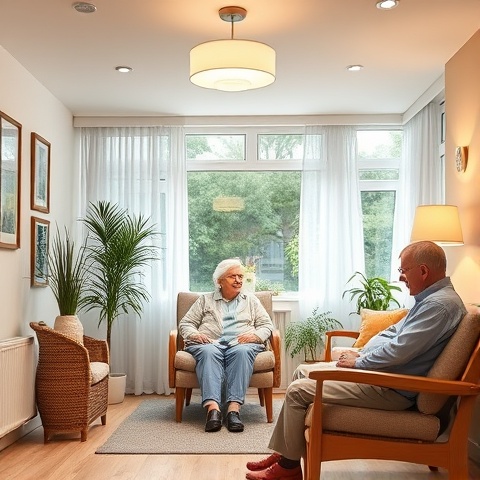
What health checks are available?
- Eye tests: free on the NHS for people aged 60 or over. Regular tests pick up conditions like glaucoma and cataracts, and good eyesight reduces falls. Home visits are available for people who cannot get to an optician.
- Hearing: hearing loss is common with age and can lead to isolation. The GP can refer for a hearing assessment, and NHS hearing aids are free.
- NHS Health Check: in England, adults aged 40 to 74 without certain existing conditions are invited every 5 years to check their risk of conditions such as heart disease, stroke, kidney disease and type 2 diabetes.
- Medicines review: anyone taking several medicines can ask the GP or pharmacist to review them. Some medicines cause dizziness or confusion, and needs change over time.
- Dental checks: keep having regular check-ups, including for people with dentures.
How can falls be prevented?
Falls are a major cause of injury and loss of confidence in later life. The NHS advice on preventing falls includes:
- Keep active and do strength and balance exercises.
- Have regular eye tests and hearing checks.
- Ask a GP or pharmacist if medicines could be affecting balance.
- Remove trip hazards such as clutter, trailing wires and loose rugs.
- Fit grab rails in the bathroom and rails on stairs, and use good lighting at night.
- Wear well-fitting shoes and slippers.
If your relative has fallen, or is worried about falling, ask the GP about a falls assessment. The council can also assess for equipment and home adaptations.
What about eating, drinking and weight?
Older people can lose their appetite, find cooking harder or struggle to chew or swallow. Unplanned weight loss, loose clothes or rings, and tiredness can be signs of malnutrition, which the NHS says should be discussed with a GP.
Practical steps:
- Smaller, more frequent meals and snacks if appetite is poor.
- Enough protein to help keep muscles strong.
- Plenty to drink through the day, as thirst can lessen with age.
- Company at mealtimes, which often helps people eat more.
Why does staying connected matter?
Loneliness can affect both mental and physical health. Retirement, bereavement, hearing loss and reduced mobility all make it harder to stay in touch.
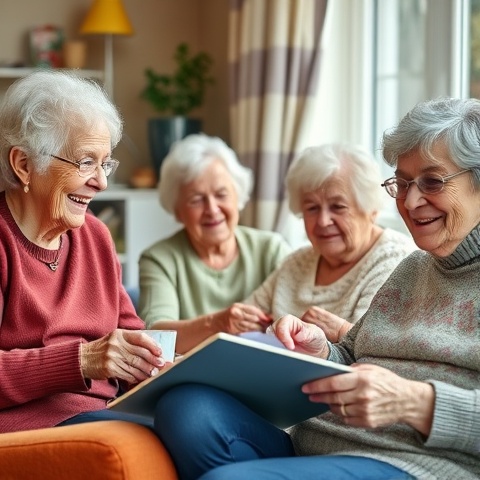
Families can help by keeping regular contact, helping with transport, setting up video calls and finding local groups, lunch clubs or befriending services. Age UK and local councils can suggest activities in your area.
When should families seek more help?
Watch for changes such as:
- new confusion or memory problems
- repeated falls or near misses
- weight loss or not eating
- low mood, withdrawal or loss of interest
- difficulty managing washing, dressing, medicines or the house
Start with the GP for health concerns. For help with daily living, ask the council's adult social care team for a free needs assessment. This article is general information and does not replace advice from a GP or other health professional; in an emergency call 999, and for urgent advice use NHS 111.
Frequently asked questions
What exercise is safe for someone in their 80s?
Most older people can do gentle strength and balance exercise, such as chair exercises, walking and tai chi. Start slowly and build up. If your relative has a heart condition, has had falls or is unsure, speak to the GP first.
Are vaccines free for care home residents?
Yes. People living in care homes are eligible for the free flu vaccine and, in England, the RSV vaccine for people living in a care home for older adults. COVID-19 vaccines are offered in seasonal campaigns. The care home usually arranges them with the GP practice.
How often should an older person have an eye test?
NHS eye tests are free for people aged 60 or over. Many optometrists recommend a test every 2 years, or more often if advised. Home visits are available for people who cannot leave home.
What are the signs of malnutrition in older people?
Unplanned weight loss, clothes or rings becoming loose, tiredness, low mood and getting ill more often can all be signs. Speak to the GP, who can check weight and arrange dietary advice.
Who can review my parent's medicines?
The GP or a pharmacist can carry out a medicines review. This is especially worth asking for if your parent takes several medicines, has had a fall or seems more confused.
Key takeaways
- Aim for daily activity, with strength and balance exercise at least twice a week.
- Take up free NHS vaccines; eligibility changes, so check each year.
- Free eye tests from 60, hearing checks and medicines reviews help prevent falls.
- Watch for weight loss, confusion, falls or withdrawal, and act early.
- Staying connected is part of staying well.
- Rules and programmes differ slightly across the UK nations; check locally.