Residential vs nursing care: how do they differ in the UK?
By CareFinder Team · Published 2026-07-24 · Last reviewed 2026-09-18
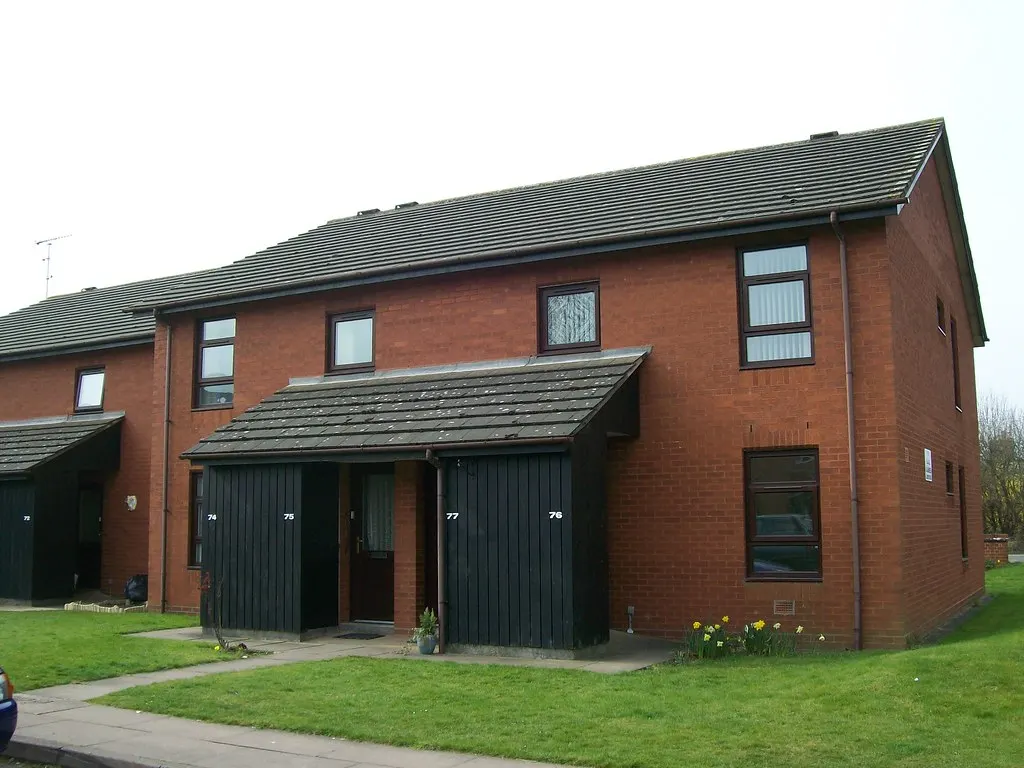
Residential care provides help with daily living, such as washing, dressing, meals and medicines, in a staffed care home, with health care from the GP and district nurses. Nursing care adds qualified nurses on duty 24 hours a day for clinical needs. Each UK nation has its own regulator, means test and way of contributing towards nursing costs.
Residential care gives help with everyday living, such as washing, dressing, meals and medicines, in a staffed care home. Nursing care adds registered nurses on duty around the clock for people with clinical needs. The distinction matters beyond the level of care: it changes which homes can accept your relative, and in every UK nation it affects how the NHS contributes to the fees.
What does residential care include?
A residential care home provides a room, meals, laundry, activities and personal care from trained care workers, with staff available day and night. Typical help includes:
- getting up, washing, bathing, dressing and using the toilet
- eating and drinking, with special diets where needed
- prompting or giving medicines
- moving around safely and supervision to reduce risk
- company, activities and trips
Health care comes from outside the home, as it would for someone living in their own house: the GP, district (community) nurses, therapists and hospital services. Residential homes can look after people through short illnesses, but they do not employ nurses to provide ongoing clinical care.
What does nursing care add?
A nursing home (in England formally a "care home with nursing") provides everything a residential home does, plus qualified nurses on duty 24 hours a day. The nurses assess, plan and carry out clinical care, for example:
- managing wounds and pressure ulcers
- giving injections and managing complex medicines
- catheter, stoma and tube feeding care
- monitoring unstable conditions and responding when someone becomes unwell
- caring for people towards the end of life
Some homes are registered for both residential and nursing care. A resident may then be able to stay in the same home, in a different part of the building, if their needs increase.
How do you know which type your relative needs?
The deciding question is whether your relative needs a registered nurse regularly and at short notice, day and night. If the answer is no, and their needs are mainly personal care, supervision and company, residential care is usually right. If they have several clinical needs, or a condition that changes unpredictably, nursing care is more likely to be needed.
Use the formal assessments rather than guessing:
- Ask the council (or, in Northern Ireland, the Health and Social Care Trust) for a needs assessment. It is free and available whatever your relative's savings.
- Ask for an NHS assessment if health needs are significant. In England and Wales this includes screening for NHS Continuing Healthcare and an assessment of whether registered nursing care is needed.
- Ask the GP, hospital team or district nurses for their view. They can tell you what is needed now and what is likely to change.
Dementia, frailty or a history of falls do not on their own mean nursing care is needed. It is the nursing need that counts.
How do the rules differ across the UK?
Both types of home are regulated, and both are means-tested for council help, but the details and the NHS contribution depend on where your relative will live.
| England | Scotland | Wales | Northern Ireland | |
|---|---|---|---|---|
| Regulator | Care Quality Commission | Care Inspectorate | Care Inspectorate Wales | RQIA |
| Help towards nursing costs | NHS-funded nursing care, paid by the NHS to the home | Free nursing care payment, paid by the council to the home | NHS-funded nursing care, paid by the health board to the home | Trust contribution towards the nursing element |
| Help towards personal care | Means-tested only | Free personal care payment for assessed self-funders, in residential or nursing homes | Means-tested only | Means-tested only |
A few specifics, with the year they apply to:
- England: From 1 April 2026 the standard NHS-funded nursing care rate is £267.68 a week, for residents of nursing homes who need registered nursing care but are not eligible for NHS Continuing Healthcare. For 2026/27 the council means test uses an upper capital limit of £23,250.
- Scotland: people assessed as needing personal or nursing care receive free personal and nursing care payments at nationally set rates. Accommodation and living costs are still means-tested.
- Wales: health boards pay NHS-funded nursing care for residents assessed as needing nursing care who are not eligible for Continuing Healthcare. The Welsh residential care capital limit is £50,000, higher than elsewhere in the UK.
- Northern Ireland: according to nidirect, if you live in a nursing home and have assessed nursing needs, your Trust pays £100 a week towards the nursing element.
Rates and limits change, so check the official page for the current figures before relying on them.
Does the NHS ever pay the whole fee?
In England and Wales, NHS Continuing Healthcare pays the full cost of care for people whose needs are primarily health needs. It is not means-tested, and it can apply in a residential home, a nursing home or at home. Scotland replaced Continuing Healthcare in 2015 with a separate arrangement for people who need hospital-based complex clinical care. Northern Ireland has no direct equivalent, so ask the Trust how health needs will be funded.
What should families check before choosing?
- The latest inspection report from the regulator in that nation.
- Exactly which needs the home can meet, and which would mean a move.
- Staffing by day and at night, including nurses in a nursing home.
- How the NHS or council contribution appears on the invoice.
- What the fee includes, and how and when it can rise.
Money and care decisions are hard to reverse. This article is general information; for personal advice about paying for care, speak to the council or Trust, a local Age UK, Citizens Advice, or a regulated financial adviser who specialises in later-life care.
Frequently asked questions
Can a residential home provide any nursing?
Residential homes do not employ nurses to provide ongoing clinical care. Residents still receive nursing from community nurses in the same way as someone living at home, for example to dress a wound or give an injection.
Is nursing care always more expensive?
Nursing homes usually charge more because they employ registered nurses, but the NHS or Trust contribution in England, Wales and Northern Ireland, and the free nursing care payment in Scotland, offsets part of the cost for eligible residents.
Does my relative have to move if they need nursing later?
Not always. If the home is registered for nursing care and has a suitable place, they may be able to stay. Otherwise, the home should give notice under the contract and help plan a move once a reassessment confirms the new needs.
Who inspects care homes in each part of the UK?
The Care Quality Commission in England, the Care Inspectorate in Scotland, Care Inspectorate Wales and the Regulation and Quality Improvement Authority (RQIA) in Northern Ireland. Each publishes inspection reports online.
Can I choose a home in a different nation of the UK?
It is possible, but funding arrangements between councils and health bodies in different nations can be complicated. Speak to the council or Trust responsible for your relative before agreeing to a place, and ask who will fund it.
Key takeaways
- Residential care covers personal care and daily living; nursing care adds registered nurses on duty 24 hours a day.
- The deciding question is whether your relative needs a nurse regularly and at short notice.
- Free assessments from the council or Trust, and from the NHS, confirm which is right.
- Each UK nation has its own regulator, capital limits and help with nursing costs.
- Check current rates on official pages, and take personal advice before big financial decisions.