What is probate and what do you do when someone dies?
By CareFinder Team · Published 2026-06-30 · Last reviewed 2026-09-18
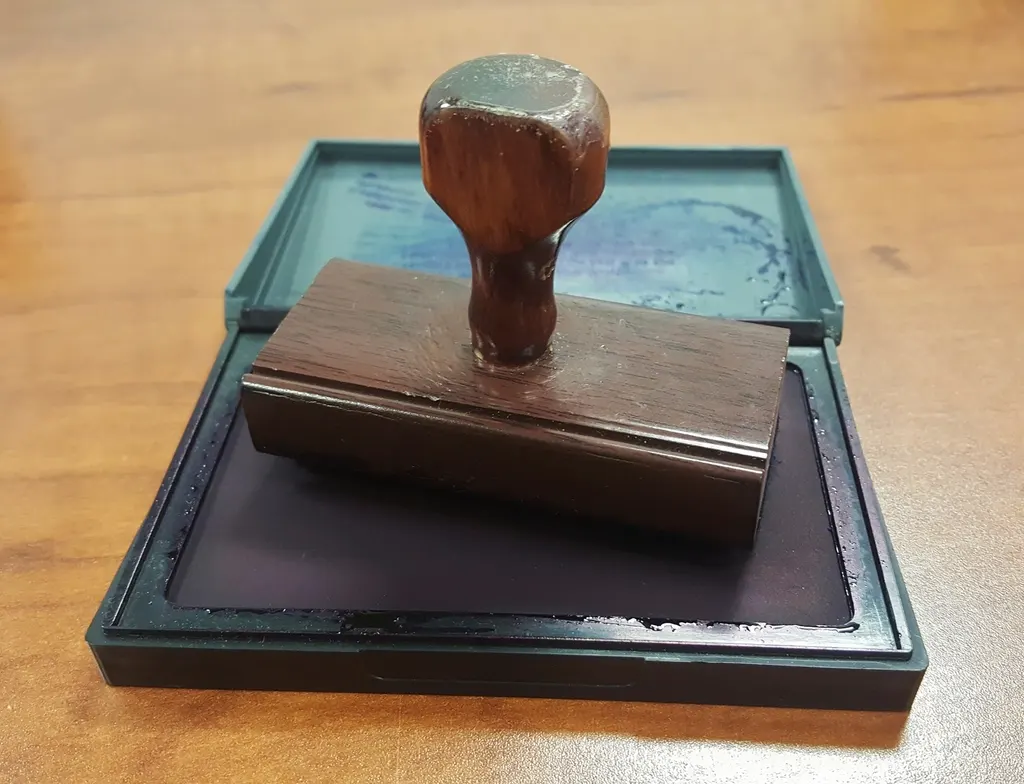
Probate is the legal right to deal with a dead person's money, property and possessions. In England and Wales, the executor named in the will, or the closest relative if there is no will, applies for it after valuing the estate and dealing with any Inheritance Tax. Probate is not always needed: savings and jointly owned assets can often pass without it.
Probate is the legal right to deal with a person's money, property and possessions (their estate) after they die. In England and Wales, the executor named in the will, or the closest relative if there is no will, applies for it once they have valued the estate and dealt with any Inheritance Tax. Not every estate needs it: small savings and jointly owned assets can often be released without it.
What should you do first when someone dies?
Probate comes later. The first days are about registering the death and arranging the funeral.
- Register the death. In England and Wales you have 5 days from getting the medical confirmation of the cause of death, and 8 days in Scotland, according to GOV.UK's step-by-step guide to what to do after a death. The register office will give you certified copies of the death certificate; it is worth buying several.
- Use Tell Us Once. When you register, you can usually use the Tell Us Once service to inform most government departments, such as the DWP, HMRC and the council, in one go.
- Arrange the funeral. Check the will and any paperwork for funeral wishes or a prepaid plan. Many banks will pay a funeral director's invoice from the deceased person's account before probate is granted. If you get certain benefits and are responsible for the funeral, you may be able to claim a Funeral Expenses Payment.
- Secure the home and belongings. Lock up an empty property, tell the insurer it is unoccupied, and redirect post.
- Find the paperwork. Look for the will, bank and pension details, insurance policies, property deeds and any care home contract or council paperwork.
What does probate actually mean?
In England and Wales, the court document is called a grant of probate when there is a will and executors apply. When there is no will, the closest relative applies for letters of administration. Both give the person named the authority to collect in the estate, pay debts and distribute what is left.
The rest of the UK has its own system:
- Scotland: the equivalent is called confirmation, granted by the sheriff court.
- Northern Ireland: grants are issued by the Probate Office of the High Court.
The steps below describe England and Wales.
Do you always need probate?
No. GOV.UK's probate guidance says you may not need it if the person only had savings, or if everything was owned jointly and passes automatically to the surviving owner. Examples:
- a joint bank account, which normally passes straight to the surviving account holder
- a home owned as joint tenants, which passes to the other owner
- small balances that a bank or building society agrees to release without a grant (each sets its own limit)
You will usually need probate if the person owned property or land in their sole name, or held larger amounts with banks, investment firms or pension providers. The simplest way to find out is to write to each organisation, send a copy of the death certificate and ask whether they need a grant.
How do you value the estate and deal with Inheritance Tax?
Before applying, you must estimate the value of everything the person owned (property, money, investments, possessions) minus debts, and work out whether Inheritance Tax is due.
The main rules, set out on GOV.UK's Inheritance Tax pages, are:
- there is normally no tax to pay if the estate is below the £325,000 threshold
- the threshold can rise to as much as £500,000 when a home is passed to children or grandchildren
- anything left to a spouse or civil partner, or to a charity, is normally exempt
- a spouse or civil partner can inherit the unused part of the threshold, so a couple may be able to pass on more
- the standard rate is 40% on the value above the threshold, or 36% if at least 10% of the net estate goes to charity
These thresholds have been frozen for some years; check GOV.UK for the current figures.
If tax is due, you complete the full Inheritance Tax account (form IHT400) and usually have to start paying before probate is granted. Tax must be paid by the end of the sixth month after the death, or interest is charged. Tax on property can often be paid in yearly instalments, and HMRC lets you pay directly from the deceased person's bank or building society accounts, as explained in GOV.UK's guide to paying Inheritance Tax.
Where no tax is due, many estates are "excepted estates" and you give the figures as part of the probate application instead of a full account.
Inheritance Tax can be complicated, especially with gifts made in the seven years before death, trusts or business assets. This is general information; get advice from a solicitor or tax adviser if the estate is near or above the threshold.
How do you apply for probate?
You can apply online or by post. You will need the original will (if there is one), the death certificate and your estate figures.
According to GOV.UK's probate fees page, at September 2026 the fee is £526 if the estate is worth more than £5,000, and there is no fee for estates of £5,000 or less. Extra official copies are cheaper if you order them with the application, and you will usually need one for each bank or company you deal with.
Instead of swearing an oath, applicants now sign a statement of truth confirming the information is correct.
What if there is no will?
The intestacy rules decide who inherits in England and Wales. If there is a surviving spouse or civil partner and children, the partner receives the personal possessions, a fixed sum (£322,000 since July 2023) and half of the rest; the children share the other half. Unmarried partners have no automatic right to inherit, however long they lived together, though they may be able to make a claim through the courts. Scotland and Northern Ireland have different intestacy rules.
What does the executor do after the grant?
- Collect the assets. Close accounts, cash in investments and sell or transfer property.
- Pay debts and bills. This includes funeral costs, outstanding care home fees, utility bills, loans and credit cards.
- Settle tax. This includes any Inheritance Tax still owing and income tax up to the date of death and during the administration.
- Keep accounts. Record everything received, paid out and distributed.
- Distribute the estate to the people named in the will, or under the intestacy rules.
Executors can be personally liable if they pay out and a creditor later appears. Placing a deceased estates notice in The Gazette before distributing, and waiting for the notice period to pass, gives protection against unknown creditors. Take legal advice before distributing if anyone might challenge the will.
What happens with care home fees and the council?
If your relative lived in a care home:
- ask the home for a final invoice and check the contract for how many days' fees, if any, are charged after death
- if the council paid towards the care, ask it for a final statement; the estate may owe a contribution
- if there was a deferred payment agreement, the amount owed is secured on the home and is normally repaid from the estate, often when the property is sold
- remove belongings promptly, as some contracts link continuing charges to when the room is cleared
How long does probate take?
It varies. The grant itself can take several weeks or longer after you apply, depending on court workload and whether Inheritance Tax is involved. Collecting assets, selling a house and distributing a straightforward estate usually takes months; complex estates or disputes take longer. GOV.UK publishes current processing information.
Frequently asked questions
Can I apply for probate without a solicitor?
Yes. Many executors deal with straightforward estates themselves using the online service. Consider professional help if Inheritance Tax is due, the will is unclear, there are overseas assets or a business, or someone may dispute the estate.
Can funeral costs be paid before probate?
Usually. Most banks will pay the funeral director directly from the deceased person's account on seeing the invoice and death certificate, even before the grant.
What happens to a joint bank account?
Most joint accounts pass automatically to the surviving account holder and fall outside probate. The bank will need a copy of the death certificate.
Do I have to pay Inheritance Tax before getting probate?
Often, yes. You usually need to start paying before the grant is issued, but you can pay from the deceased person's accounts through HMRC's arrangements with banks, and tax on property can often be paid in instalments.
What if someone dies with no will and no close family?
The intestacy rules set out an order of relatives who inherit. If no eligible relatives can be found, the estate passes to the Crown as bona vacantia.
Key takeaways
- Register the death within 5 days in England and Wales (8 in Scotland) and use Tell Us Once.
- Probate is not always needed: joint assets and small balances often pass without it.
- Value the estate and check Inheritance Tax before applying; tax is due by the end of the sixth month after death.
- Check the current probate fee on GOV.UK and order extra copies with your application.
- Pay debts, including care home fees and council charges, before distributing, and keep clear accounts.
- Scotland and Northern Ireland have their own systems; take legal advice for anything complex.