Personalising a Care Home Room: What to Bring and What's Allowed
By CareFinder Team · Published 2026-09-17 · Last reviewed 2026-09-17
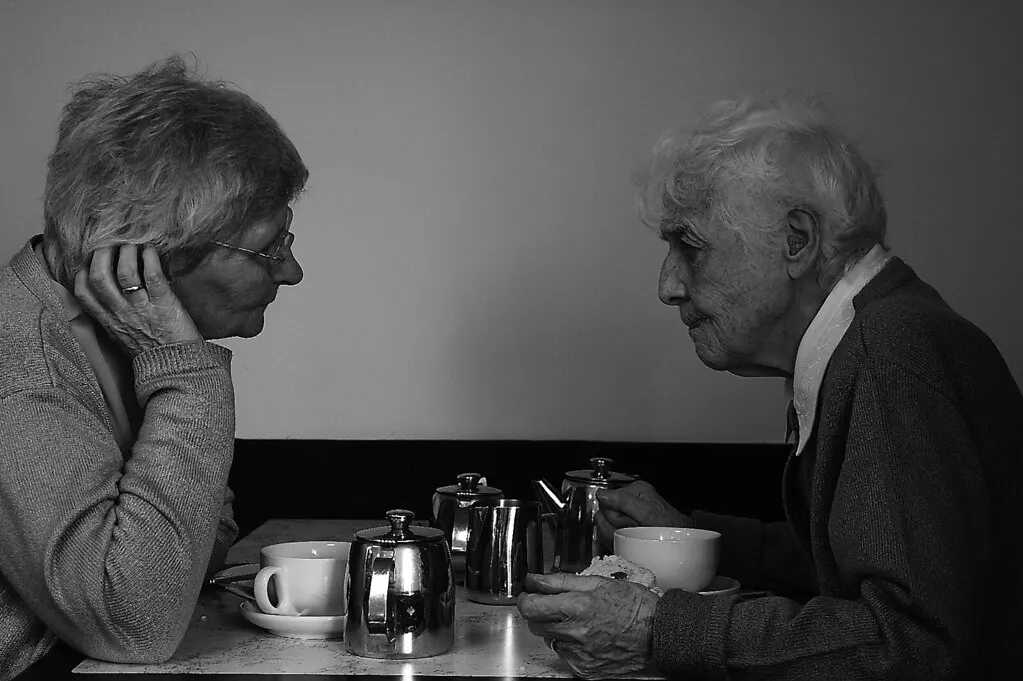
Most UK care homes encourage residents to bring furniture, photographs, bedding, pictures and personal ornaments, within fire safety and moving-and-handling limits. Electrical items usually need testing before use, upholstered furniture must meet fire regulations, and valuables are often excluded from the home's insurance. Ask the manager in writing what is permitted before moving day, and bring a few meaningful things first rather than everything at once.
A care home room starts as a beige box with a bed, a wardrobe and a call bell. What turns it into somebody's home is what you put in it. Nearly every UK care home actively wants residents to bring their own things, and the regulators in all four nations expect it — but there are real limits around fire safety, electrical testing, space and insurance. The trick is to ask the right questions before moving day, then personalise gradually rather than all at once.
This is general information. Your relative's contract with the home, and any moving-and-handling or risk assessment, will set the final rules for their room.
What can you actually bring into a care home room?
Most homes will say yes to nearly all of this list, though space is usually the binding constraint:
- Small furniture — an armchair, bedside cabinet, chest of drawers, bookcase, footstool, occasional table
- Bedding and cushions — their own duvet cover, throw, pillows (check laundry arrangements first)
- Pictures and photographs — framed photos, artwork, a cork board or photo collage
- Ornaments and keepsakes — clocks, vases, figurines, a jewellery box, trophies, religious items
- Media — television, radio, DAB radio, CD player, tablet, digital photo frame, books, jigsaws
- Curtains, rugs and lamps — sometimes yes, sometimes restricted (see fire and trip hazards below)
- A favourite mug, teapot or biscuit tin — small domestic things carry a lot of weight
What tends to be refused, or allowed only after assessment: their own bed (many homes need a profiling bed that raises and tilts for safe care), large wardrobes that block hoist access, freestanding heaters, candles, incense, deep-fat items and anything with an open flame. Houseplants are usually fine; some homes restrict them in dementia units where someone might eat soil or leaves.
Their own bed and chair
If your relative is attached to their own bed or riser-recliner chair, ask early. The home has to be able to deliver care safely — that means hoist clearance, a bed height that protects staff backs, and a chair that supports safe transfers. Sometimes the answer is a compromise: the home's profiling bed with your relative's own headboard-height bedding, or their recliner in the room for daytime use alongside a care chair.
What are the rules on fire safety, electrics and insurance?
This is where families get caught out, usually on moving day itself.
Fire safety. Care homes are subject to fire safety law — in England and Wales the Regulatory Reform (Fire Safety) Order 2005, in Scotland the Fire (Scotland) Act 2005, in Northern Ireland the Fire and Rescue Services (Northern Ireland) Order 2006. In practice this means upholstered furniture (armchairs, headboards, cushions) must meet the Furniture and Furnishings (Fire) (Safety) Regulations, and many homes ask for a higher fire-retardancy standard than domestic furniture. Look for the permanent fire label on the item. Older family armchairs made before the late 1980s often have no label and will be turned away. Nothing may block a doorway, corridor or window escape route, and door closers must not be wedged. General guidance on fire safety responsibilities is on GOV.UK.
Electrical items. Almost every home requires portable appliance testing (PAT) before a television, lamp, radio, electric blanket or charger is plugged in. Some test on site within a few days; others need items dropped off in advance. Extension leads are commonly banned or limited to a single surge-protected block. Electric blankets are frequently refused outright.
Insurance and valuables. Read the contract. Homes typically cover residents' belongings only to a low limit per person, often with exclusions for cash, jewellery and items not listed in writing. Practical steps:
- Photograph everything of value and keep a written inventory, signed by a senior member of staff on the day you move in.
- Ask whether the home holds items in a safe, and get a receipt for anything handed over.
- Leave genuinely valuable jewellery at home and consider good-quality costume replicas for daily wear.
- Check whether your relative's existing home contents policy can be extended, or whether a specialist policy is worth it. MoneyHelper has impartial guidance on insurance decisions.
Television licence. A resident with their own television in their own room may be covered by the home's concessionary Accommodation for Residential Care (ARC) licence rather than needing a full one. The manager will know whether the home holds one; check the current arrangements with TV Licensing before paying for a separate licence.
How do you choose what to bring from a whole house?
Most people move from a home of decades into a single room. The emotional weight of that is heavier than the logistics, and it usually falls on the adult child.
A method that works:
- Measure the room first. Ask for the dimensions and a photo, or take them on your viewing. Sketch where the bed, wheelchair turning space and hoist need to go, then fill what is left.
- Bring less than you think, sooner rather than later. A half-furnished room with five perfect things beats a crowded one. You can always add.
- Prioritise by sense, not value. The things people settle with are the ones they touch and look at daily: the bedside photo, the clock they always wound, the blanket that smells of home.
- Keep a "maybe" box at your house. Don't force decisions on donating or selling in the same fortnight as the move.
- Involve your relative as far as they are able. Even choosing between two bedspreads restores a bit of control in a week where they have very little.
Clothing and labelling
Every home launders communally and items do go astray. Label everything — woven sew-in or iron-on name labels last longer than marker pen. Prefer machine-washable fabrics; commercial laundries run hot and wool, silk and delicate knits will shrink or felt. Bring more than you think: two weeks' worth of everyday clothes, plus something smart for visits and occasions. Non-slip slippers with a proper back, not mules.
How do you personalise a room for someone with dementia?
Personalisation for dementia is not decoration; it is a care intervention. It helps orientation, reduces distress and gives staff a way in to conversation.
- Reach for long-term memory. Photographs from their twenties, thirties and forties are usually recognised more readily than recent ones. Label photos with names and relationships on the back or on the mount.
- Make the door and the toilet findable. Many homes use a personal item, photo or memory box beside the bedroom door. Inside, a contrasting toilet seat and a clear sign or picture on the en-suite door help.
- Use colour contrast. Bedding, chair and door that contrast with the walls and floor are easier to see for someone with visual-perceptual changes. Avoid busy patterns, strongly patterned rugs and shiny floors, which can read as water.
- Build a life story. A simple life-story book or memory box — work, hobbies, places, a wedding photo, a football programme — lets any member of staff, including agency staff, start a conversation. Alzheimer's Society and Dementia UK both have practical guidance on life-story work and making environments dementia-friendly.
- Think about mirrors. Some people with later-stage dementia are distressed by their own reflection. If that happens, a cover or removal is a reasonable request.
- Keep the layout stable. Once a room works, resist rearranging it.
Rugs are the common flashpoint: they matter to people, and they are a trip hazard. Compromise on a well-taped, low-pile rug if the falls risk assessment allows, or a runner beside the bed rather than a floor-wide rug.
What are your relative's rights to a personalised room?
Every UK regulator treats a personal, homely room as part of dignity and person-centred care, not a favour.
- England — the Health and Social Care Act 2008 (Regulated Activities) Regulations 2014 require person-centred care and treating people with dignity and respect. Inspection reports on CQC routinely comment on whether rooms are personalised.
- Scotland — the Health and Social Care Standards are written in the first person and include being able to have your own possessions around you and personalise your space. Inspection reports are at Care Inspectorate.
- Wales — services registered under the Regulation and Inspection of Social Care (Wales) Act 2016 must support personal choice and wellbeing; see Care Inspectorate Wales.
- Northern Ireland — the DoH care standards for residential and nursing homes cover personal possessions and privacy; see RQIA.
So if a home refuses something, you are entitled to ask why, and to see the risk assessment or policy behind the refusal. "We don't allow pictures on walls" is worth challenging — adhesive strips, picture rails and existing hooks are usually workable. "That armchair has no fire label" is not.
What happens in the first weeks, and later on?
Don't judge the room on day three. People often unsettle before they settle, and a room that looks lovely can still feel wrong. Useful things to do in the first month:
- Add one familiar item on each visit rather than a single grand reveal
- Fix the practicalities: a bedside light they can actually reach, a clock with big numbers, a charger in the right place, a chair angled to see out of the window
- Ask for their door name plate and any memory box outside the door to be completed
- Check the call bell is within reach from bed and chair
If the room is on the small side or badly placed, ask to be told when something better becomes free — many homes keep an informal list. Room moves inside a home are usually much less unsettling than the original move, but they should always be discussed, never sprung.
Towards the end of life
If your relative becomes very unwell, the room does more work: space for family to sit, a familiar blanket, their own music, photographs at eye level from the bed. Homes will usually relax rules on visiting hours, furniture and overnight stays at this stage. Marie Curie has guidance on what to expect and what to ask for.
After a death, the contract will set a period for clearing the room. CMA consumer law advice says care homes should not charge fees for more than a fixed period of three days after death, or, if fees run until possessions are cleared, no more than a ten-day backstop — so a term requiring a week or two of fees is likely to be unfair. Ask what the contract says when you sign it, not when you are grieving. Take the inventory you made at the start with you.
Frequently asked questions
Can we paint or wallpaper the room?
Sometimes, especially for a long-term self-funded placement, but rarely without written permission. Homes worry about redecoration costs when the room next changes hands, and some leases restrict alterations. A removable alternative — a large canvas print, a fabric wall hanging or a colour-matched throw and curtains — gets most of the effect with none of the argument.
Is our relative's furniture covered by the home's insurance?
Usually only up to a modest limit, and often only for items listed in writing when they move in. Check the contract, list everything, photograph it and ask whether extending an existing contents policy is possible. Never rely on a verbal assurance from a member of staff.
Can they bring a pet?
Some homes accept small caged pets or cats in individual rooms, and a growing number have house pets, but few can take a dog belonging to one resident. Ask specifically before you choose a home if this matters. Where a pet cannot come, regular visits from the pet with a family member are often welcomed.
Why won't the home let us use an extension lead?
Because overloaded leads are a genuine fire risk in a building where many residents cannot evacuate themselves. Ask instead whether an electrician can fit an extra socket, or whether one surge-protected block with a low appliance count is acceptable after PAT testing.
Do we have to pay for a separate TV licence?
Often not. Care homes can hold a concessionary ARC licence covering residents' own sets in their own rooms. Ask the manager whether the home holds one, and confirm with TV Licensing before buying an individual licence.
What if the home keeps saying no to everything?
" Ask for the specific policy or risk assessment in writing, then raise it with the manager, then use the home's formal complaints procedure. If nothing changes, you can raise concerns with the regulator for your nation — CQC, the Care Inspectorate, Care Inspectorate Wales or RQIA — and with the local authority if the placement is funded by them.
Key takeaways
- Ask the manager in writing, before moving day, what furniture, electrical items and wall fixings are allowed.
- Upholstered items need a valid fire label; electricals usually need PAT testing; extension leads and electric blankets are often banned.
- Photograph and list everything of value on day one, get it signed, and check the contract's insurance limits.
- Label all clothing and choose machine-washable fabrics that survive a commercial laundry.
- For dementia, use older photographs, strong colour contrast, a findable toilet door and a life-story book or memory box.
- Bring a few meaningful things first and add gradually; personalisation is part of dignity and person-centred care, so a blanket "no" is worth questioning.