Lasting power of attorney: why to make one early
By CareFinder Team · Published 2026-06-30 · Last reviewed 2026-09-18
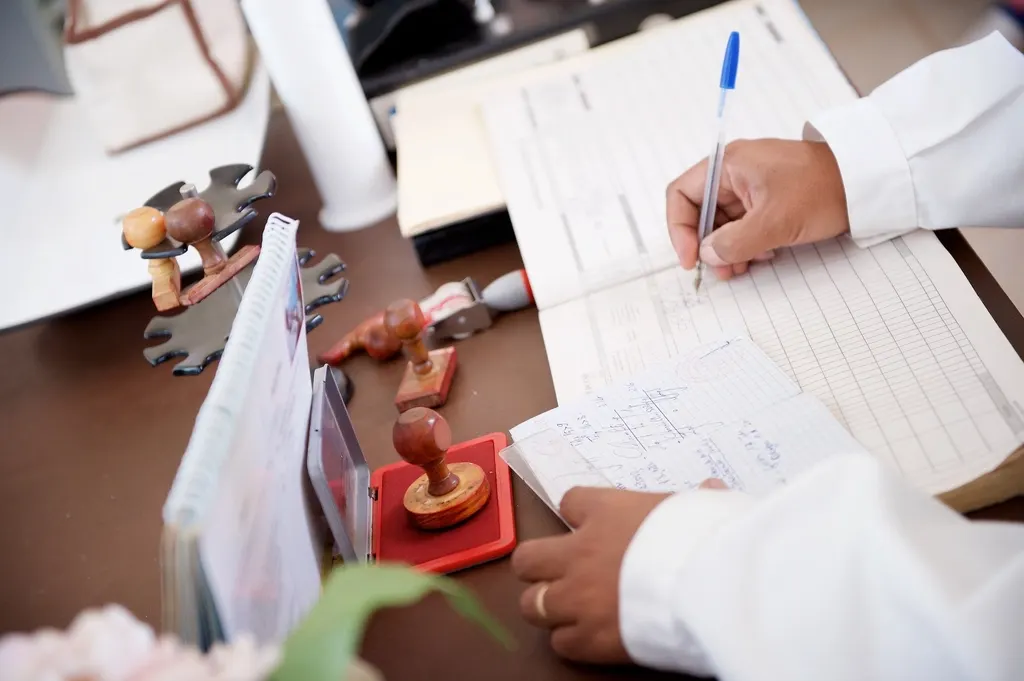
A lasting power of attorney lets someone you trust make decisions for you if you cannot make them yourself. In England and Wales it must be made while you still have mental capacity and registered with the Office of the Public Guardian before use. Without one, families usually have to apply to the Court of Protection, which is slower and more costly.
A lasting power of attorney (LPA) is a legal document that lets you choose people you trust to make decisions for you if you become unable to make them yourself. It has to be made while you still have mental capacity, which is why families are urged to set one up before a crisis rather than after. If someone loses capacity without an LPA, relatives usually have to apply to the Court of Protection, which takes longer, costs more and involves ongoing supervision.
LPAs apply in England and Wales. Scotland and Northern Ireland have their own versions, explained below.
What does a lasting power of attorney do?
According to GOV.UK, there are two types of LPA. You can make one or both.
Property and financial affairs LPA
This lets your attorneys manage money and property, for example:
- Paying bills, including care home or home care fees
- Dealing with banks, pensions and benefits
- Talking to the council about a financial assessment
- Selling a home if needed
Once registered, it can be used with your permission while you still have capacity, which can help if you simply find paperwork harder.
Health and welfare LPA
This lets your attorneys make decisions about daily care, medical treatment and where you live, for example whether to move into a care home. It can only be used once you are unable to make the decision yourself. You can also choose whether your attorneys can make decisions about life-sustaining treatment.
Why does it matter to do it before a crisis?
You must be 18 or over and have mental capacity when you make an LPA. Capacity can be lost suddenly, after a stroke or a fall, or gradually, with dementia. Once it has gone, it is too late to make an LPA.
At that point, a family member who needs to act would usually have to apply to the Court of Protection to become a deputy. Compared with an LPA:
- The court decides who is appointed, rather than the person themselves
- It takes longer, which can hold up paying care fees or selling a home
- It costs more, with court fees and ongoing supervision charges
- Deputies are closely supervised and must send an annual report to the Office of the Public Guardian
Banks, care homes and councils often ask families for an LPA or deputyship order before they can discuss someone's affairs.
How do you make a lasting power of attorney?
You can make an LPA online or using paper forms. The steps are:
- Choose your attorneys. They must be 18 or over. Choose people you trust who understand your wishes. You can appoint more than one and decide whether they must act together or can act separately.
- Choose replacement attorneys, in case an attorney can no longer act.
- Record your wishes. You can add instructions attorneys must follow and preferences they should consider.
- Get a certificate provider. This person confirms you understand the LPA and are not being pressured. It must be someone who has known you well for at least two years, or a professional such as a doctor or solicitor.
- Sign the forms in the right order. You, the certificate provider, the attorneys and witnesses must sign the same original document.
- Register the LPA with the Office of the Public Guardian. An LPA cannot be used until it is registered.
GOV.UK says registration takes 8 to 10 weeks if there are no mistakes, and is usually quicker online. Errors are a common cause of delay, so check every page before sending.
How much does it cost?
GOV.UK states that registering an LPA costs £92, unless you qualify for a reduction or exemption, for example if you have a low income or receive certain benefits. The fee is per LPA, so registering both types costs twice that. Fees change, so check GOV.UK before applying. You do not have to use a solicitor, though some people choose to, particularly if their affairs are complicated or family relationships are strained.
What mistakes should families avoid?
- Leaving it too late. A diagnosis of dementia does not automatically mean someone lacks capacity, but the window can close quickly. Act early.
- Making only one type. Many families make a financial LPA but not a health and welfare one, then find they have no say in care decisions.
- Choosing attorneys who will not cooperate. If attorneys must act jointly on everything, one person's absence can stall decisions.
- Not telling the bank. Once registered, attorneys should register the LPA with banks and pension providers so they can act.
- Forgetting to review. Revisit the LPA after major changes, such as the death of an attorney or divorce.
How does power of attorney work in Scotland and Northern Ireland?
Scotland. People set up a continuing power of attorney for financial matters, a welfare power of attorney for personal and health decisions, or a combined document. It must be certified by a solicitor or medical practitioner, who interviews the person first, and registered with the Office of the Public Guardian (Scotland). If there is no power of attorney, families apply for a guardianship or intervention order.
Northern Ireland. The main document is an enduring power of attorney, which covers property and financial affairs only, not health and welfare. It must be made while the person has capacity and registered with the Office of Care and Protection if the person becomes incapable. If there is no power of attorney, a controller can be appointed.
This article is general information. If your family situation is complicated, or someone's capacity is already in doubt, get advice from a solicitor or a charity such as Age UK.
Frequently asked questions
Can I make an LPA for my parent?
No. Your parent must make it themselves while they have capacity. You can help by filling in the online forms with them, but the decisions must be theirs, and the certificate provider must be satisfied they understand and are not under pressure.
Can an attorney use an LPA straight away?
A property and financial affairs LPA can be used as soon as it is registered, with the donor's permission, unless the document says otherwise. A health and welfare LPA can only be used when the person cannot make the decision themselves.
Does an LPA let my family decide on a care home?
A health and welfare attorney can decide where the person lives, including a move into a care home, if the person lacks capacity to decide. A financial attorney can arrange payment of fees and deal with the council's financial assessment. Attorneys must always act in the person's best interests.
Can an LPA be cancelled?
Yes. While you have capacity, you can end your LPA at any time. You need to tell the Office of the Public Guardian and your attorneys.
Is an English LPA valid in Scotland?
An LPA made in England and Wales is only legally binding in England and Wales. If you own property or live in Scotland or Northern Ireland, take advice about making the local equivalent.
Key takeaways
- There are two LPAs: property and financial affairs, and health and welfare.
- You can only make an LPA while you have mental capacity, so do it early.
- An LPA must be registered before it can be used; allow at least 8 to 10 weeks.
- Without an LPA, families usually need the slower, costlier Court of Protection route.
- Scotland and Northern Ireland use different documents and registration bodies.