What are intergenerational programmes in care homes?
By sima kornbluth · Published 2025-10-19 · Last reviewed 2026-09-18
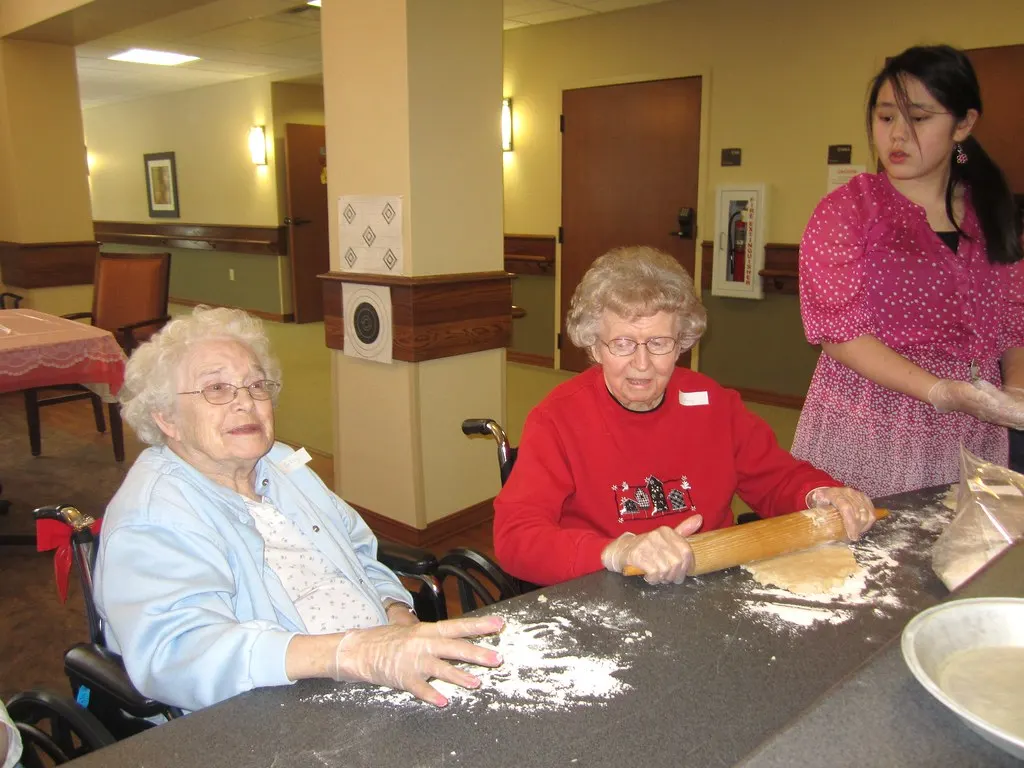
Intergenerational programmes bring older people and younger generations together through planned, regular activities, such as nursery or school visits to a care home, reading or music sessions, or young people helping residents use technology. NICE, which sets health and care guidance in England, includes intergenerational activities among the social activities it recommends to support older people's mental wellbeing. Good schemes are voluntary for residents, well supervised and properly safeguarded.
Intergenerational programmes are planned, regular activities that bring older people and younger people together, often by linking a care home or retirement scheme with a local nursery, school, college or youth group. NICE, which issues health and care guidance in England, lists intergenerational activities among the group activities that can help older people keep their mental wellbeing and independence. For a family choosing a home, a well-run scheme is one sign that the home takes residents' social lives seriously.
What does an intergenerational programme look like?
There is no single model. Common formats include:
- Nursery or toddler visits: small groups of young children visiting weekly for songs, stories, play or baking.
- School partnerships: pupils visiting for reading, art, music, gardening or shared projects, sometimes linked to their curriculum.
- Older people helping young people: residents or retirement-housing tenants listening to children read, sharing skills or talking about local history.
- Young people helping older people: students helping residents use tablets, video calls or other technology.
- Letters and video calls: pen-pal schemes or online sessions, which can suit homes where regular visits are hard to arrange.
- Shared or co-located sites: a nursery or community café on the same site as a care home or housing scheme, so contact happens naturally.
The most successful schemes tend to be regular rather than one-off, with the same children or students meeting the same residents so that relationships can form.
What does official guidance say about the benefits?
In its guideline on older people's independence and mental wellbeing, NICE recommends a range of group activities for people aged 65 and over, including intergenerational activities such as older people helping with reading in schools or young people supporting older people to use new technology. Its related quality standard says that taking part in group or one-to-one activities can help prevent loneliness and social isolation.
For care homes specifically, NICE's quality standard on the mental wellbeing of older people in care homes says residents should be offered opportunities to take part in meaningful activity that promotes their health and wellbeing, and that they should help choose what is meaningful to them.
The benefits people most often describe are:
- more social contact and conversation for residents;
- a sense of purpose, especially when residents are teaching or helping;
- children and young people who are more comfortable around older people, disability and dementia;
- closer links between the home and its local community.
Research in this area is still developing and the quality of studies varies, so be wary of precise claims about health outcomes. The strongest case rests on what NICE already recommends: varied, meaningful social activity that residents choose.
Who is it suitable for?
Intergenerational activity can work for many residents, including people living with dementia, where music, stories and simple shared tasks often go well. But it is not for everyone. Some residents find noise, young children or busy rooms tiring or distressing, and some simply prefer other activities.
In England, the CQC's fundamental standards require person-centred care that meets a person's needs and preferences, and care or treatment only with consent. In practice that means:
- taking part should always be a free choice;
- residents should be able to leave a session at any time;
- where a resident lacks capacity to decide, staff should consider what is known about their wishes and what is in their best interests;
- quieter options, such as one-to-one reading, should be available for people who dislike groups.
How are residents and children kept safe?
Bringing children and vulnerable adults together needs careful planning. A well-run scheme usually has:
- Clear supervision: children stay under the supervision of their own teachers or nursery staff, and care staff support residents. Neither group should be left alone with the other.
- Criminal record checks for staff and volunteers where the role requires them. In England and Wales these are DBS checks, and the level depends on the role; Scotland uses the Protecting Vulnerable Groups (PVG) scheme and Northern Ireland uses AccessNI.
- Risk assessments covering the room, trip hazards, food, allergies and moving around.
- Infection control: sessions paused during outbreaks, and visitors staying away when unwell.
- Consent and privacy: agreement from residents (or their representatives) and from parents before photos are taken or shared, including on social media.
- Joint planning and review between the home and the school or nursery.
What should families ask a care home about its activities?
If intergenerational activity matters to your relative, ask:
- Does the home have a regular link with a nursery, school or youth group? How often do sessions happen?
- Who plans the sessions, and how are residents asked what they would enjoy?
- What happens if my relative does not want to take part, or wants to leave partway through?
- How are sessions supervised, and what checks are done on volunteers?
- What is the policy on photographs, and will you ask before my relative is photographed?
- What other activities are on offer for people who prefer quieter company?
You can also look at the latest inspection report. In England, CQC reports often describe how the home supports residents' interests and links with the community under the "responsive" and "caring" key questions. In Scotland, Wales and Northern Ireland, the Care Inspectorate, Care Inspectorate Wales and the RQIA publish their own reports.
How can families help a scheme work?
Families are often the best source of information about what a resident enjoyed earlier in life. You can:
- share your relative's history, skills and interests with the activities team, such as a former teacher who might enjoy hearing children read;
- tell staff about anything that upsets your relative, such as loud noise or crowded rooms;
- suggest local contacts, such as a grandchild's school or a youth group you know;
- give feedback after sessions, especially if your relative cannot easily say how they felt.
Frequently asked questions
Are intergenerational programmes suitable for people with dementia?
Often, yes, if sessions are calm, short and built around familiar things such as songs, stories or simple crafts. Staff should watch for signs of distress and offer a quieter alternative. As with any activity, taking part should be the person's choice or in their best interests.
Do volunteers need a DBS check to take part?
It depends on what they do. In England and Wales, the type of DBS check depends on the role, and GOV.UK has a tool to work out which applies. Children visiting with their school stay under their teachers' supervision, and Scotland and Northern Ireland have their own checking schemes.
Do care homes have to run intergenerational programmes?
No. There is no legal requirement to run one. In England, homes must provide person-centred care that meets residents' needs and preferences, and NICE guidance says residents should be offered meaningful activity. An intergenerational link is one way to do that.
Can my relative refuse to join in?
Yes. Taking part should always be voluntary. A good home will respect a refusal, offer alternatives, and not pressure anyone to attend or be photographed.
What if a care home has no links with local schools?
Ask whether it would consider one, and whether it offers other ways to stay connected to the community, such as visits from faith groups, clubs or volunteers. Video calls and letter exchanges can be simpler places to start.
Key takeaways
- Intergenerational programmes are regular, planned activities linking older people with children or young people.
- NICE includes intergenerational activities among the social activities it recommends for older people's mental wellbeing.
- Taking part must be voluntary and centred on what each resident enjoys.
- Good schemes have clear supervision, the right criminal record checks, risk assessments and a photo consent policy.
- Families can help by sharing a relative's interests, history and dislikes with the activities team.