How a needs assessment decides residential or nursing care
By CareFinder Team · Published 2026-09-20 · Last reviewed 2026-09-20
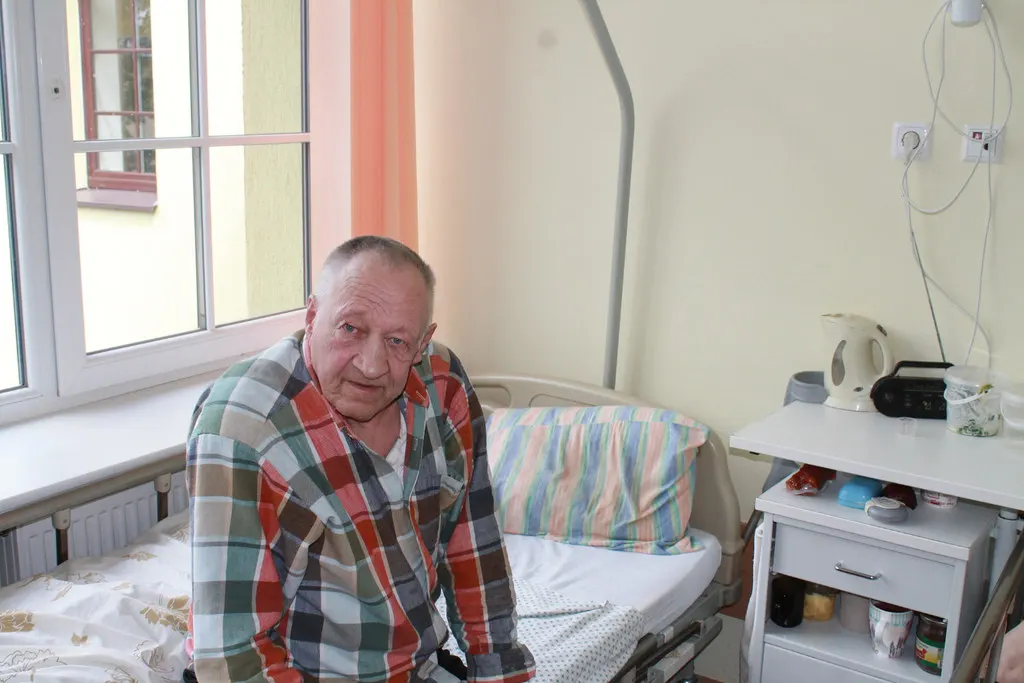
A needs assessment does not pick a home; it records what help your relative needs, day and night. If those needs can be met by trained care staff, with visits from community nurses when required, a residential home is suitable. If they need regular care or supervision from a registered nurse, the assessment will point to a nursing home, and the NHS then pays towards the nursing part of the fee.
The choice between a residential home and a nursing home is not really made by the family, or by the home. It follows from an assessment of what your relative needs. If care staff can meet those needs, a residential home is right. If they need regular care or oversight from a registered nurse, it has to be a nursing home.
This article explains who carries out that assessment, what they are looking for, and how to make sure the result reflects what life is actually like for your parent. Most of the detail below describes England; the section on Scotland, Wales and Northern Ireland explains where the other nations differ.
Who actually decides between residential and nursing care?
Two different bodies are involved, and families are often not told this.
- The local council carries out the care needs assessment. This looks at everyday life: washing, dressing, eating, moving about, staying safe, and what your relative wants their days to look like.
- The NHS decides whether someone needs care from a registered nurse. In England this is the responsibility of the local integrated care board, usually through a nurse assessor or as part of a wider NHS assessment.
In practice the two are often done together, particularly when someone is leaving hospital. But it helps to know that the "nursing or not" question is a health question answered by health professionals, not something the council social worker decides alone, and not something a care home manager decides on a first visit.
A care home will also do its own pre-admission assessment. That is the home checking it can safely meet your relative's needs with the staff and registration it has. A residential home that cannot meet nursing needs should say so rather than accept the placement.
What does the council's needs assessment look at?
In England, the Care Act 2014 says the council must assess any adult who appears to need care and support. This applies whatever the council thinks of the level of need and whatever the person's savings or income. The NHS confirms that the assessment is free and anyone can ask for one. Self-funders are entitled to one too, and it is worth having even if you expect to pay all the fees yourself.
A social worker or occupational therapist will usually talk to your relative about:
- washing, dressing, using the toilet and managing continence
- eating and drinking enough
- getting around the home safely, and any falls
- taking medication correctly
- memory, confusion and whether they are safe if left alone
- what happens at night
- what matters to them: routines, faith, family, pets, staying near friends
The council then compares those needs with national eligibility criteria. Broadly, a person qualifies when their needs come from a physical or mental condition, they cannot manage two or more of the listed everyday outcomes, and this has a significant effect on their wellbeing.
Notice what the assessment does not do: it does not start from "which type of home". It starts from needs, then asks what would meet them. For many people the answer is support at home, equipment or extra-care housing. A care home is recommended when needs cannot reasonably be met any other way.
What tips the decision towards a nursing home?
Both kinds of home provide personal care around the clock. Age UK describes the difference simply: nursing homes provide personal care as well as 24-hour assistance from qualified nurses.
So the question assessors are asking is whether your relative needs a registered nurse on site to provide, plan or supervise their care, rather than simply needing a lot of help.
Needs that usually can be met in a residential home
- Help with all personal care, even if two carers are needed
- Support with medication given by trained care staff
- Dementia, where the main needs are reassurance, prompting and supervision
- Nursing tasks that are occasional or predictable, which community nurses can visit to carry out, just as they would in someone's own house
Needs that usually point to a nursing home
- Health conditions that are unstable or change quickly and need frequent clinical judgement
- Complex wounds or pressure sores needing regular skilled attention
- Feeding through a tube, or complicated medication that needs a nurse to give or monitor it
- Several serious conditions that interact, where someone qualified needs to notice early signs of deterioration, day and night
These lists are illustrations, not rules. A diagnosis on its own does not decide the matter. Two people with the same condition can be assessed differently because one is stable and the other is not. High dependency is not the same as nursing need: someone who needs help with everything may still be well cared for in a residential home.
How does the NHS side of the assessment work?
In England the NHS process has a set order.
- **NHS continuing healthcare is considered first.** This is a package of care fully funded by the NHS for adults whose needs are mainly health needs. A professional usually completes a short checklist; if it is positive, a team of at least two professionals from different disciplines carries out a full assessment. The NHS explains that eligibility depends on assessed needs, not on a particular diagnosis, and it is not means-tested.
- If your relative does not qualify, NHS-funded nursing care is considered. This applies to people who have been assessed as needing care from a registered nurse and who live in a nursing home.
- If neither applies, the assessment has effectively concluded that care staff can meet the needs, and a residential home is appropriate.
Where NHS-funded nursing care is agreed, the NHS pays a flat weekly amount directly to the nursing home towards the cost of the registered nurses. It is paid whether the council or the family is paying the rest of the fee. The rate is set each April, so check the NHS-funded nursing care page for the current figure. Ask the home how the payment is shown on its invoices, because contracts handle it in different ways.
How can you make sure the assessment is accurate?
Assessments go wrong most often because the assessor sees a person on a good day, or because a proud parent says "I manage fine". You can help without taking over.
- Be there if you can. Your relative is entitled to have a family member or friend with them. If they would struggle to take part and have nobody suitable, the council must arrange an independent advocate.
- Keep a diary for a week or two beforehand. Note falls, missed tablets, nights disturbed, meals not eaten, episodes of confusion. Night-time needs are the ones most often missed.
- Describe the bad days as well as the good ones. Assessors need the full range.
- Bring health information. A list of medication, recent hospital letters, and the names of the GP, district nurses or specialists involved.
- Say what matters to your relative, not only what worries you. The law requires the assessment to cover the outcomes the person wants from daily life.
- Ask for the result in writing. You should receive a copy of the assessment and, if the council is arranging care, the care plan. Ask directly: "Has a need for registered nursing been identified, and who decided that?"
What if you disagree, or needs change later?
If you think the assessment has understated your relative's needs, raise it with the assessor first and point to specific facts that were missed. If that does not resolve it, use the council's formal complaints procedure; in England an unresolved complaint can go to the Local Government and Social Care Ombudsman. Decisions about NHS continuing healthcare and NHS-funded nursing care are challenged separately, through the integrated care board.
Needs rarely stand still. Under the Care Act, councils in England must keep care and support plans under review and must also review a plan when the person, or someone acting for them, reasonably asks. If your parent is in a residential home and their health declines, ask the home, the GP and the council for a reassessment rather than waiting for a crisis.
This is also why it is worth asking homes about registration before you choose. A home registered for both personal and nursing care may be able to keep a resident whose needs increase, whereas a move from a residential-only home may eventually be necessary.
How is it different in Scotland, Wales and Northern Ireland?
The principle is the same everywhere in the UK: an assessment of need comes first, and nursing need is judged by health professionals. The law and the funding differ.
- Scotland: the local council carries out the care needs assessment. People assessed as needing personal care or nursing care receive it free, and for care home residents who pay their own fees the council makes weekly payments towards personal and nursing care directly to the home. You can only get these payments after an assessment. Care homes are regulated by the Care Inspectorate.
- Wales: councils assess under the Social Services and Well-being (Wales) Act 2014. Local health boards pay NHS-funded nursing care to nursing homes for residents assessed as needing a registered nurse. It is not means-tested. Care homes are regulated by Care Inspectorate Wales.
- Northern Ireland: the local Health and Social Care Trust carries out the assessment and arranges care. For someone living in a nursing home with assessed nursing needs, the Trust makes a weekly payment towards the cost of the nursing. Homes are regulated by the RQIA.
This article is general information, not advice on an individual case. Care funding decisions can involve large sums, so if you are unsure about an assessment outcome or a contract, speak to an independent adviser such as Age UK, Citizens Advice or a solicitor who specialises in care for older people.
Frequently asked questions
Can we simply choose a nursing home to be on the safe side?
If you are paying privately you can approach any home, but a nursing home will carry out its own assessment and nursing homes generally cost more. The NHS contribution towards nursing is only paid when a nursing need has been formally assessed. If the council is funding the place, it will only fund the type of care the assessment shows is needed.
Does a dementia diagnosis mean my parent needs a nursing home?
No. Many people with dementia live well in residential homes, including homes that specialise in dementia care. A nursing home becomes necessary when there are health needs requiring a registered nurse, whether or not they are related to the dementia.
Do self-funders need a needs assessment?
You are not obliged to have one, but you are entitled to one regardless of savings, and it is free. It gives you an independent view of the level of care needed, and it is the usual route into consideration for NHS funding. It also puts your relative on the council's records if their money later runs down.
Who does the assessment if my parent is in hospital?
Hospital staff, usually a discharge team working with the council's social workers, will arrange it. Longer-term decisions are often better made once someone has had time to recover, so ask whether the assessment of long-term needs can be done after a period of recovery rather than on the ward.
Can a residential home look after someone who needs a nurse now and then?
Yes. Residents of residential homes are entitled to community NHS services in the same way as people living in their own homes, so district nurses can visit to carry out tasks such as dressings or injections. It is when nursing input is needed frequently or unpredictably that a nursing home becomes the safer option.
Key takeaways
- The assessment starts from needs, not from the type of home. The type of home follows from the needs.
- The council assesses care and support needs; the NHS decides whether a registered nurse is needed.
- Needing a lot of help is not the same as needing nursing. Stability and clinical complexity matter more than the diagnosis.
- Prepare with a diary, include nights and bad days, attend if you can, and ask for the outcome in writing.
- Where nursing need is confirmed, the NHS or its equivalent pays towards the nursing element in every UK nation, though the rules and amounts differ.
- Needs change: ask for a review when they do, and consider homes registered for both types of care.