What Are the Alternatives to a Care Home in the UK?
By sima kornbluth · Published 2025-10-26 · Last reviewed 2026-09-18
The main alternatives to a care home are home care visits, live-in care, extra care (assisted living) housing, sheltered housing, Shared Lives placements, day centres and respite breaks, plus home adaptations and alarms that make staying at home safer. Which one fits depends on how much help is needed, especially at night, and on the person's wishes and finances.
There are several real alternatives to a care home: care at home through visiting carers or a live-in carer, specialist housing such as extra care or sheltered housing, Shared Lives placements with a local family, and day services or respite breaks. Many people also stay at home longer with adaptations, equipment and alarms.
The right choice depends on how much help your relative needs, how safe they are when alone, especially at night, and what they want. This guide compares the options, mainly under the rules in England.
What help is available to stay in your own home?
Home care visits
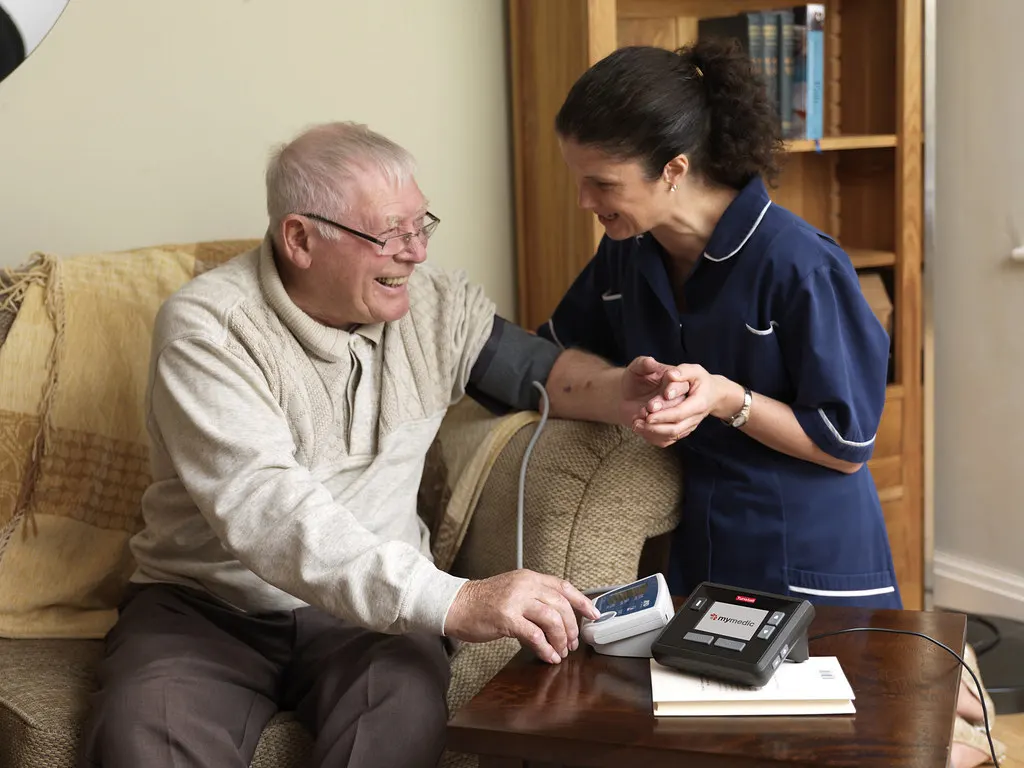
Carers visit at set times to help with washing, dressing, meals and medicines. According to the NHS homecare guide, it can range from an hour a week to several visits a day or overnight help. Agencies must be registered with the Care Quality Commission in England.
Best for: people who can manage safely between visits.
Live-in care
A carer lives in the home, usually rotating with another carer. This gives support day and night without moving.
Best for: people with high but stable needs who strongly want to stay at home and have a spare room for the carer.
Adaptations, equipment and alarms
- Grab rails, stair lifts, ramps and level-access showers.
- Pendant alarms, fall detectors and door sensors.
- Key safes so carers and emergency services can get in.
Larger adaptations can be funded by a means-tested Disabled Facilities Grant from the council: up to £30,000 in England, £36,000 in Wales and £25,000 in Northern Ireland. Scotland has a different system of help with adaptations. An occupational therapist from the council can assess what is needed.
What specialist housing options are there?
Extra care housing (assisted living)
Residents have their own self-contained flat with their own front door, and care staff are usually available on site up to 24 hours a day. Age UK's guide to assisted living and extra care housing explains that flats may be rented or bought, and costs usually include service charges and care charges.
The personal care provided is regulated by the CQC in England. Council-funded care may be available after a needs assessment.
Best for: people who need regular care but want independence and privacy, including couples with different needs.
Sheltered (retirement) housing
Independent flats or bungalows with an alarm system, a scheme manager and shared lounges or gardens. There is often a minimum age, such as 55 or 60. Sheltered housing does not usually include meals or personal care, though these can be arranged separately.
Best for: people who are fairly independent but want a smaller, safer home and some company.
Retirement villages
Larger developments with a range of housing, facilities and often on-site care. Costs, contracts and exit fees vary widely, so read the terms carefully and take legal advice before buying.
What is Shared Lives?
Shared Lives schemes match an adult who needs support with an approved Shared Lives carer, who shares their own family home. Arrangements can be long term, short breaks or day support. In England, the CQC regulates Shared Lives schemes, which approve, train and monitor the carers.
It is more commonly used by younger adults with learning disabilities, but some schemes support older people, including people with dementia. Ask your council whether a local scheme exists.
How can day services and respite help?
- Day centres offer company, activities and meals, and give family carers time off.
- **Respite care** means a short stay in a care home or support at home so the usual carer can take a break. The NHS explains carer breaks and respite options.
These can help a family carry on caring for longer, and a short respite stay can be a gentle way to try out a care home.
How do you decide which option is right?
Ask these questions with your relative:
- Can they be left alone safely, including overnight?
- Do they need nursing, or mainly help with personal care?
- What do they want? If they have capacity, the decision is theirs.
- Is their home suitable, or could it be adapted?
- How much can family realistically do, and for how long?
- What can they afford, and what help is available?
Signs that a care home may now be the safer choice include frequent falls, wandering at night, needs that change unpredictably, or carers who can no longer cope.
How are the alternatives paid for?
Start with a free needs assessment from the council. For care at home, the value of your relative's home is not counted in the financial assessment in England, though savings and income are. Housing costs in extra care or sheltered housing may be helped by Housing Benefit or Pension Credit for people on low incomes.
Rules differ elsewhere: personal care is free in Scotland when assessed as needed, Wales caps weekly charges for care at home, and Northern Ireland does not normally charge for home care. This is general information; get advice from the council or an independent adviser before making financial decisions.
Frequently asked questions
Is extra care housing the same as a care home?
No. In extra care housing your relative has their own flat and front door, with care available on site. A care home provides a room, meals and care in a shared setting. Extra care suits people who need care but can still live fairly independently.
Can someone with dementia stay at home?
Many people with dementia live at home for years with the right support, such as home care, day centres, technology and family help. As dementia progresses, needs at night and safety risks often grow, so review the arrangement regularly.
Does the council pay for live-in care?
It can contribute if a needs assessment shows your relative needs that level of care and the financial assessment shows they qualify. The council may compare costs with other ways of meeting the same needs.
What is the difference between sheltered and extra care housing?
Sheltered housing offers an alarm, a scheme manager and communal areas but usually no personal care. Extra care housing has care staff on site, often around the clock, so it suits people with higher needs.
Can we try an alternative before deciding on a care home?
Yes. Home care, adaptations and respite stays are often tried first. If needs increase, ask the council for a reassessment.
Key takeaways
- Alternatives include home care, live-in care, extra care and sheltered housing, Shared Lives, day centres and respite.
- Adaptations and alarms can make staying at home safer; grants are available.
- Extra care housing offers your own flat with care on site.
- The biggest deciding factor is safety when alone, especially at night.
- Start with a free council needs assessment; funding rules differ by nation.