Care technology for older people: what families should know
By sima kornbluth · Published 2025-10-31 · Last reviewed 2026-09-18
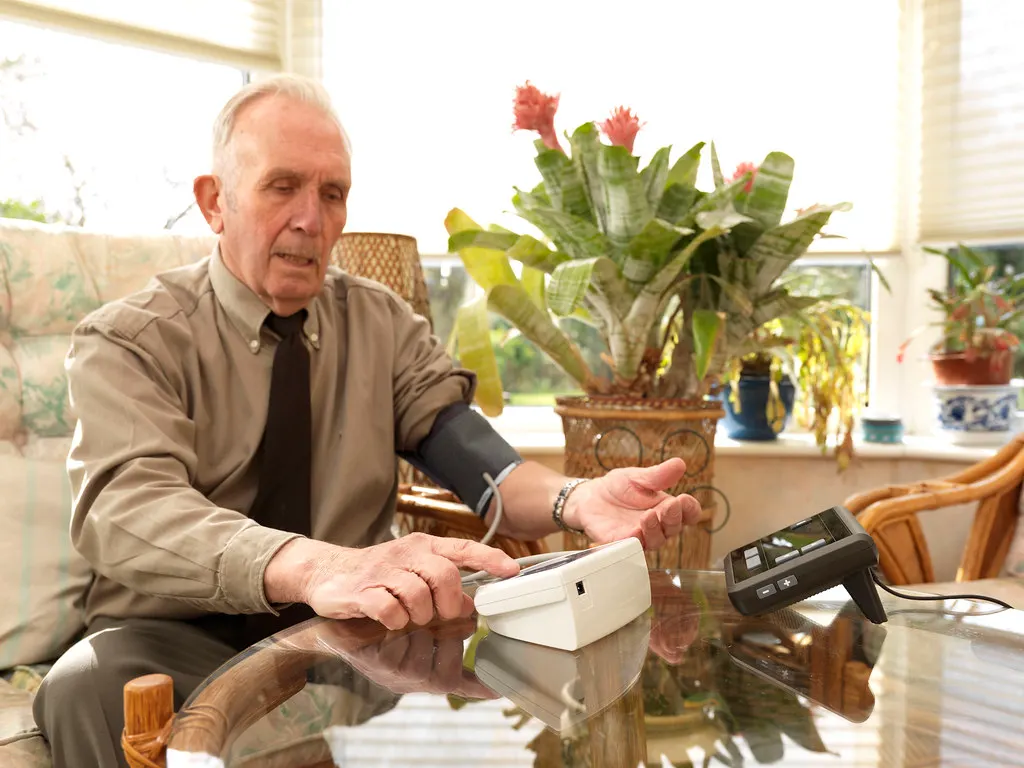
Care technology ranges from personal alarms and telecare sensors at home to digital care records, fall sensors and acoustic monitoring in care homes. Used well, it helps staff respond faster and keep accurate records. In England, CQC treats surveillance as part of a person's care, so it must respect privacy and consent, and families should ask how any system is used before relying on it.
Technology is now part of everyday care for many older people. At home that usually means personal alarms, telecare sensors and key safes. In care homes it can mean digital care records, electronic medicine records, fall sensors and night-time acoustic monitoring. None of it replaces good staff, but it can help them respond faster and keep better records.
This guide explains the main types, what the regulator expects in England, and the privacy questions families should ask. Scotland, Wales and Northern Ireland have their own regulators, who take a similar approach to records, privacy and consent.
What technology can help someone stay safe at home?
The NHS guide to personal alarms, security systems and key safes describes the common options:
- Personal alarms: a pendant or wristband with a button. Monitored alarms connect to a 24-hour response centre; some detect falls automatically or have GPS for use outside.
- Telecare sensors: detectors for movement, doors opening, room temperature, flooding, smoke, gas or appliances left on, which alert family, carers or a monitoring centre.
- Key safes: a locked box outside the door holding a key, so carers and emergency services can get in.
- Everyday technology: video calls, medication reminders, automatic pill dispensers and smart speakers can all help, depending on the person.
Some councils provide telecare after a needs assessment, sometimes with a charge. Private providers usually charge for installation plus a monthly fee.
Check alarms before the digital phone switchover
UK landlines are moving from analogue to digital, and most customers are expected to have switched by the end of January 2027. Many older alarms were designed for analogue lines. The government has urged telecare users and their families to tell their landline provider that someone relies on an alarm. Providers have agreed to test telecare alarms during the switch and offer vulnerable customers a free battery back-up device.
What technology do care homes use?
Digital care records
Many homes have replaced paper care plans with digital care records, where staff log care, food and fluids, medicines and incidents on handheld devices. The CQC's guidance on digital record systems says good records underpin safe, effective and compassionate care, because they get the right information to the right people when they need it.
For families, a good digital system can make it easier to see what care was given and when. Ask whether relatives can see any of this, with the resident's consent or under a lasting power of attorney.
Monitoring and sensors
- Fall and movement sensors: bed or chair sensors, or motion sensors, that alert staff when a resident at risk of falling gets up.
- Acoustic monitoring: microphones that alert night staff to unusual sounds, instead of routine checks that wake residents.
- Nurse call systems: modern systems can record how quickly calls are answered.
These tools can reduce intrusion when used well. They can also be used to cover for too few staff, so ask how alerts are answered and by whom.
How does the regulator view cameras and surveillance?
In England, the CQC's guidance on using surveillance in a care service makes several points:
- If a provider uses surveillance to keep people safe or monitor their wellbeing, the CQC treats it as part of their care, so it must meet the regulations.
- Recordings count as personal information, so data protection law also applies, overseen by the Information Commissioner's Office.
- Hidden (covert) surveillance is only likely to be appropriate in rare circumstances, for a pressing reason and a short time.
- The CQC cannot authorise covert intrusive surveillance, such as hidden cameras in residents' rooms.
Where a resident cannot consent because they lack mental capacity, any decision to use monitoring must be made in their best interests under the Mental Capacity Act 2005, and should be the least restrictive option.
Can families put a camera in a relative's room?
Some families consider this when they are worried about care. The CQC's page on using cameras to check somebody's care warns that it is a big decision that affects other people's privacy and dignity and can have legal consequences. It recommends getting legal advice first, and reminds families that they can raise concerns with the CQC or the council without sending any recordings.
What should we ask a care home about its technology?
- Which records are digital, and can we see relevant information about our relative?
- What sensors or monitoring are used, and in which areas?
- How was our relative's consent obtained, or how was a best-interests decision made?
- Who responds to alerts at night, and how quickly?
- How is recorded data stored, who can see it, and how long is it kept?
- What happens if the system fails or the internet goes down?
- How does the home help residents make video calls with family?
Does technology affect what we pay?
In a care home, technology is normally part of the weekly fee. At home, some councils provide telecare after a needs assessment, and may charge depending on the financial assessment. Larger adaptations that make a home safer, such as a level-access shower or stairlift, may be funded by a means-tested Disabled Facilities Grant in England, Wales and Northern Ireland.
Frequently asked questions
Will a personal alarm work after the switch to digital landlines?
Not always automatically. Tell your landline provider and your alarm provider that someone relies on the alarm, so the connection can be tested when the line is switched.
Does technology replace care staff?
It should not. Sensors and records support staff to respond and plan care; they do not provide care. Ask how many staff are on shift, especially at night, alongside any monitoring.
Is it legal for a care home to use CCTV?
It can be, if it meets care regulations and data protection law, respects privacy and is used for a clear purpose. The CQC expects providers to consider people's privacy and consent before using it.
Can I see my parent's digital care records?
Your parent can see their own records. You may be able to see them with their consent, or if you are their attorney under a lasting power of attorney, depending on what it covers.
Who pays for a telecare alarm?
It depends. Some councils provide telecare after a needs assessment, with or without a charge. Otherwise you buy or rent one from a private provider.
Key takeaways
- At home, alarms, sensors and key safes can help people stay independent for longer.
- Care homes increasingly use digital records and monitoring, which support but do not replace staff.
- In England the CQC treats surveillance as part of care, with privacy and consent at the centre.
- Tell landline and alarm providers about telecare users before the digital switchover.
- Ask any care home how its technology is used, who responds, and how data is protected.