Care options for older relatives in the UK, explained
By sima kornbluth · Published 2025-12-08 · Last reviewed 2026-09-18
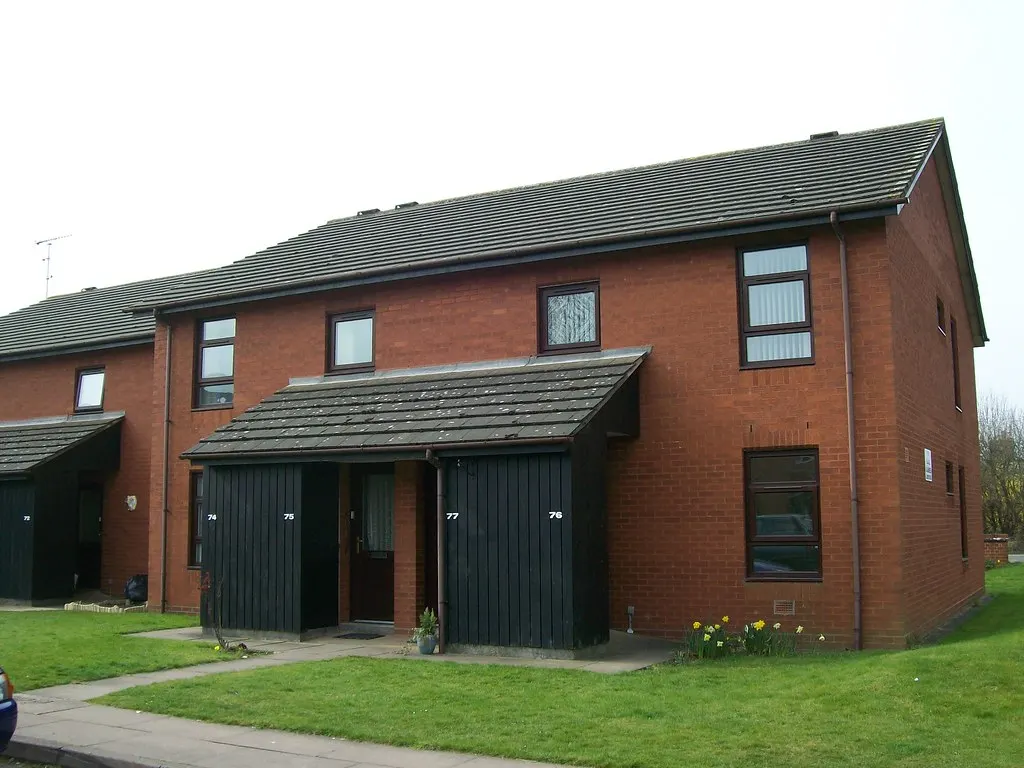
Care for an older relative in the UK ranges from equipment, alarms and home adaptations, through visiting or live-in carers at home, day centres and short respite stays, to sheltered or extra care housing and residential or nursing care homes. A free council needs assessment is the best starting point, because it shows what help is needed and whether the council will pay towards it.
The main care options for an older relative in the UK are help at home (visiting carers or a live-in carer), equipment and adaptations, day centres and respite breaks, specialist housing such as sheltered or extra care housing, and care homes offering residential or nursing care. Many families combine several of these, and the mix changes as needs change.
A free needs assessment from the council's adult social care team is the best first step, whichever option you are leaning towards. This guide describes the rules in England, with notes on the rest of the UK.
Where should we start?
Ask the council for a care needs assessment. It is free, anyone can ask for one, and it looks at what your relative can and cannot do safely and what matters to them. If they have eligible needs, the council will draw up a care and support plan and then carry out a financial assessment to decide what, if anything, it will pay.
If you care for your relative yourself, ask for a carer's assessment too. It looks at your own needs and can lead to breaks and practical help.
In Scotland and Wales the council also carries out the assessment. In Northern Ireland it is the Health and Social Care Trust.
What help is available at home?
Visiting carers (home care)
Paid carers can come in to help with washing, dressing, meals, medication prompts and getting to bed. Visits can be anything from a short call once a day to several visits daily. The NHS guide to help at home sets out three ways to arrange it:
- through the council, after a needs assessment
- **through a home care agency**, which in England must be registered with the Care Quality Commission (CQC)
- by employing a carer directly, which makes you the employer, with the legal responsibilities that brings
Live-in care
A carer lives in the person's home and provides support throughout the day, with agreed breaks. It suits people who need help at many points in the day but want to stay at home, including some people with dementia. Check that the agency is registered with the regulator.
Equipment, alarms and adaptations
Small changes can make a big difference:
- personal alarms and telecare that call for help after a fall
- grab rails, raised toilet seats and bath lifts
- larger adaptations such as stairlifts, ramps or a level-access shower
An occupational therapist from the council can assess what would help. Larger adaptations may be funded by a means-tested Disabled Facilities Grant in England, Wales and Northern Ireland. Scotland has a separate scheme of help with adaptations.
What about day centres and respite care?
Day centres offer company, meals and activities for a few hours, and give family carers time off. Some specialise in dementia.
**Respite care** is a short break for the carer. It can be a sitting service at home, a few days of live-in care, or a short stay in a care home. It can also be a useful way to try a care home before deciding on a permanent move. The council may fund respite for carers who are eligible after an assessment.
What housing options are there between home and a care home?
The NHS guide to housing options describes several:
- Sheltered housing: self-contained homes for people who are mostly independent, often with a scheme manager, emergency alarm and shared lounge.
- Extra care housing (also called assisted living): self-contained flats with care staff on site, and often meals and communal facilities.
- Retirement villages: larger developments, sometimes with a care home on the same site.
- Homeshare: an older person with a spare room is matched with someone who helps around the house in return for accommodation.
- Shared Lives: an adult who needs support lives with, or regularly visits, an approved carer's household. Schemes in England must be CQC-registered.
Check the costs carefully: rent or purchase price, service charges and any care costs are often charged separately.
When is a care home the right choice?
A care home may be right when someone needs support day and night, is no longer safe at home even with help, or when care at home is no longer sustainable for the family.
| Type | What it provides | Suits |
|---|---|---|
| Residential care home | Accommodation, meals and personal care around the clock | People who need help with daily living but not regular nursing |
| Nursing home | The same, plus registered nurses on duty at all times | People with medical needs that need a nurse |
| Dementia care (residential or nursing) | Staff and surroundings adapted for people with dementia | People whose dementia makes other settings unsuitable |
In England, check the home's CQC inspection report. In Scotland check the Care Inspectorate, in Wales Care Inspectorate Wales, and in Northern Ireland the RQIA.
How is care paid for?
- Council funding depends on a financial assessment. In England, people with capital above the upper limit usually pay in full. Scotland, Wales and Northern Ireland set their own rules and limits.
- In Scotland, personal care is free for anyone assessed as needing it, whatever their income or savings.
- NHS Continuing Healthcare pays the full cost of care, at home or in a care home, for people whose needs are mainly health needs.
- NHS-funded nursing care contributes towards nursing in a nursing home.
- Attendance Allowance is a non-means-tested benefit for people over State Pension age who need help because of illness or disability.
Money and legal decisions about care can have long-term effects. General guidance is free from Age UK, Citizens Advice and MoneyHelper; get regulated financial advice before committing large sums.
Frequently asked questions
Do we need a needs assessment if we are paying ourselves?
It is not compulsory, but it is still worth having. The assessment is free, it can identify help you had not thought of, and it creates a record if your relative later needs council funding.
Is live-in care cheaper than a care home?
It depends on the level of care, the area and how many people the carer supports. For a couple, live-in care can compare well with two care home places. Get written quotes for both before deciding.
What is the difference between sheltered and extra care housing?
Sheltered housing suits people who are largely independent and need only occasional help. Extra care housing has care staff on site and can support people with higher needs, often allowing them to stay put as needs increase.
Can my relative try a care home before moving in permanently?
Often, yes. Many homes offer respite stays or a trial period. Ask what the trial period is and how notice works if your relative decides it is not right.
Who decides if my relative cannot decide for themselves?
If your relative lacks capacity to make the decision, it must be made in their best interests under the Mental Capacity Act 2005, involving family and anyone with a lasting power of attorney for health and welfare.
Key takeaways
- Start with a free council needs assessment, and a carer's assessment for yourself.
- Care at home can range from a daily visit to a live-in carer, supported by equipment and adaptations.
- Day centres and respite give carers a break and can be a trial run for a care home.
- Sheltered and extra care housing sit between home and a care home.
- Check inspection reports and costs, and get advice before big financial decisions.